
How to Start a Record Label in 2026
The dream of landing a major record deal is fading fast and honestly, good riddance. In 2025, the tools, platforms, and communities available to independent artists and label owners have never been more powerful. If you’ve been thinking about launching your own label, there’s no better time to make it happen.
Here’s everything you need to know to get started.
What is a record label, exactly?
A record label is a brand or company that produces, promotes, and distributes the recordings of its artists. Labels can range from bedroom operations run by a single person to multi-million dollar enterprises. Size doesn’t define success — vision does.
Inside a well run label, different functions cover the full music lifecycle: marketing, legal, and distribution teams all working together to maximise an artist’s reach and revenue.
The Big Three — and why they’re not the goal anymore
You’ve heard of them: Universal Music Group (UMG), Warner Music Group (WMG), and Sony Music Entertainment. These majors have historically dominated the market, with household sub-labels like Island, Capitol, Columbia, RCA, and Epic under their umbrellas.
For decades, getting signed to one of them felt like the only path to success. That’s simply not true anymore. The independent sector’s market share grows every year, and artists who own their work are increasingly coming out ahead.
11 steps to launching your record label
1. Do your market research
Before anything else, get a clear picture of the landscape you’re entering. Which labels are already active in your genre or region? Where are the gaps? What niches are underserved?
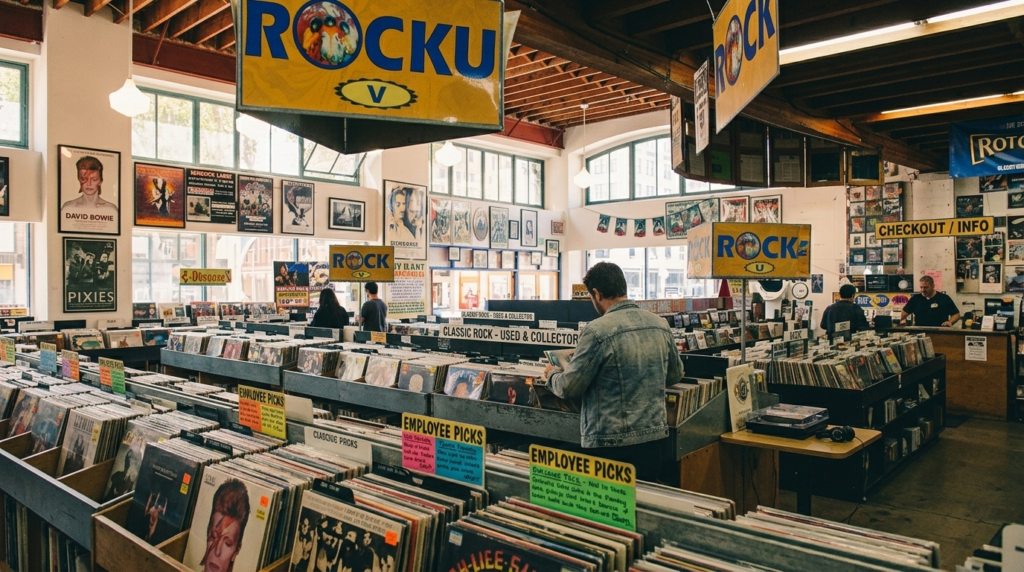
Study how successful independents operate — their release strategies, their rosters, their marketing approaches. Take what works, ditch what doesn’t, and identify where you can do things differently.
2. Sort out your funding
Running a label means your financial decisions affect not just you, but every artist on your roster. Get serious about this early.
Map out your startup costs: platform subscriptions, promotional spend, potential staff, and any recording or production support you plan to offer artists. Look into music funding opportunities — grants, industry programmes, and schemes vary by country, but there’s more available than most people realise.
The good news is that starting lean is very possible. Ditto’s Label plans, for example, give you everything you need to manage multiple artists and unlock new revenue streams without a huge upfront investment.
3. Choose your label name
Don’t overthink this. Your name should be simple, memorable, and available. Before you fall in love with anything, check for name availability across social media platforms, domain registrars, and your country’s business register.
Once you’ve landed on something, test it with sample logos and mock merch. There’s something about seeing your name on a tote bag that makes everything feel real.
Useful tools: Namechk, ICANN’s Lookup tool, GOV.UK’s Company Name Availability Checker.
4. Set clear goals
With a lot moving at once, it’s easy to lose direction. Lock in specific, measurable goals for your first year — whether that’s reaching 10,000 followers on your label’s Instagram, selling out a local event, or landing an artist in a major chart.
Ambitious is fine. Just make sure your targets are grounded enough that falling slightly short doesn’t derail your motivation.
5. Build your brand
This is where things get fun. Your label’s visual identity — logo, colour palette, typography, tone of voice — is what people will associate with your music and your artists. Think about labels with instantly recognisable brands like Dirty Hit or XL Recordings. That’s the level of consistency to aim for.
Keep all your brand assets (logos, fonts, colours, templates) organised in one place from day one. Future you will be grateful.
6. Know your audience
The most successful labels have a crystal-clear sense of who they’re for. What does your ideal fan listen to? How do they discover music? What else are they into beyond music?
Once you understand your audience deeply, you can sign artists that resonate with them and build marketing strategies that actually land. Tools like Soundcharts can give you real data to work with. From there, platforms like Instagram and Facebook let you run targeted ads to reach potential fans directly.
7. Build the right team
Figure out early whether you’re going solo or building a crew. Starting out alone is completely viable — and gives you full control — but as your roster grows, the workload can become unmanageable quickly.
Bringing in a partner with complementary skills (a manager, a promoter, someone with a strong booking network) can accelerate your label’s growth significantly. Just factor in how profit-sharing affects your margins and make sure any partnership is formalised with a proper agreement.
8. Sign your artists thoughtfully
Modern A&R is a mix of relationship-building, playlist monitoring, and social media scouting. Pay attention to who’s gaining traction on Spotify, who’s building real communities on TikTok and Instagram, and who’s consistently putting out quality work.
The advantage of running an indie label is that you get to take bets on artists you genuinely believe in — not just whoever fits a corporate formula. Start with a small, focused roster and invest real time and energy into each act.
9. Promote effectively
Online promotion isn’t optional — it’s the whole game. Every release needs a campaign, and every campaign needs a strategy across the platforms where your audience actually lives.
That means getting comfortable with Instagram, TikTok, YouTube, and wherever else your fans are spending time. Learn the formats, understand the algorithms, and build promotional habits into every release cycle.
10. Plan your album campaigns properly
A great release without a great campaign is a missed opportunity. Work with your artists to build realistic release timelines — factoring in recording, mixing, mastering, distribution lead times, and pre-release promotional activity.
As a rule of thumb: upload music to your distributor at least 3–4 weeks before the release date to give platforms time to process everything. Plan your post-release push too — momentum doesn’t stop on release day.
11. Distribute with Ditto
When your artists are ready to release, you’ll need a distributor that can handle everything in one place. Ditto’s Label plans let you release unlimited music to every major platform, manage royalties across your whole roster, set up splits for collaborators, and access label-specific tools — all from one dashboard.
The bottom line
You don’t need a major label deal to build something real. What you need is a clear vision, a solid plan, the right tools, and a genuine belief in the music you’re putting out. The independent sector is growing, the playing field is levelling, and there’s never been a better moment to start something of your own.
Start small. Stay consistent. Build something you’re proud of.